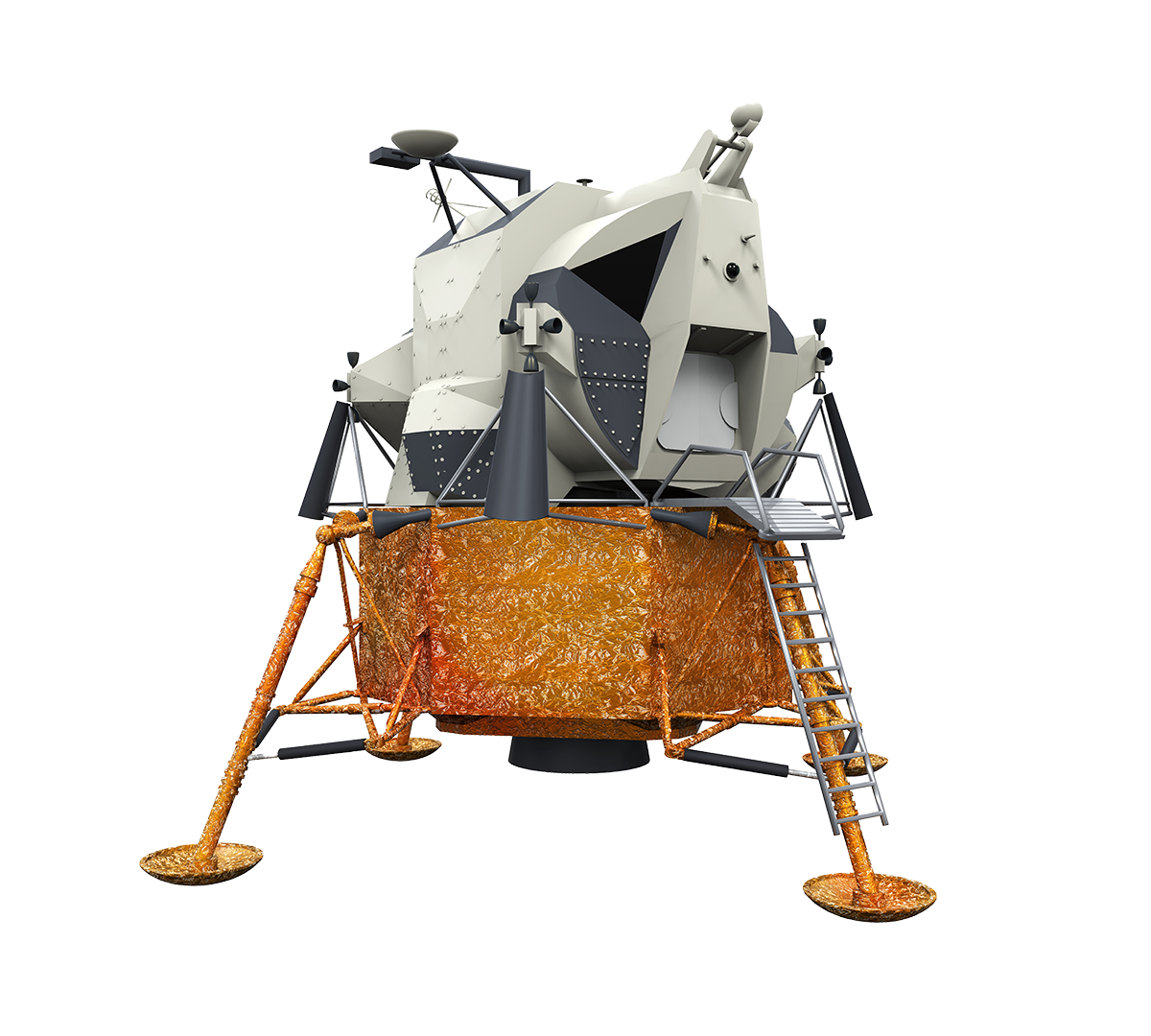
Wernher von Braun once said, “My friends, they were dancing here in the streets of Huntsville when our first satellite orbited the Earth. They were dancing again when the first Americans landed on the Moon. I’d like to ask you, don’t hang up your dancing slippers.”
After attending the 2026 von Braun Space Exploration Symposium, I can confirm that, between the Artemis Program, SR-1, Dragonfly, Clipper, and the plethora of experiments that are scheduled to fly in the near future, there will be plenty to dance about in the next ten years. I walked away from the symposium with a much more comprehensive understanding of not only the upcoming projects but also the future of NASA and the industry. NASA has always set the tone for the aerospace industry, and it was fascinating to gain a behind-the-scenes look at how the agency operates. From how scientific experiments are proposed and chosen to how the agency is shifting toward a workforce with more civil servants, I gained insight into the many factors shaping NASA’s operations. Some of my favorite sessions included “Artemis II: Behind the Scenes of Humanity’s Return to the Moon”, “Artemis III and Beyond”, and the keynote presentation with Nicola Fox.

I think it is safe to say that “Artemis II: Behind the Scenes of Humanity’s Return to the Moon” was a special session for everyone in attendance. The discussion highlighted the unifying nature of the mission for the dozens of NASA personnel and contractors in the room. One of the panel’s major takeaways was the far reaching impact of Artemis II. This discussion led perfectly into “Artemis III and Beyond”, which explored how the mission aims to carry the legacy of Artemis II forward while redefining what is possible in space. I especially appreciated the technical depth of this panel. The audience had the opportunity to see footage of Orion’s docking system, which will support docking with both Blue Origin’s Blue Moon and SpaceX’s Starship.

Artemis III will be an incredible mission and a critical step toward returning humanity to the Moon. Another one of my favorite sessions was the keynote presentation by Nicola Fox. If you ever have the opportunity to hear Nicola Fox present, you cannot help but leave the room feeling inspired by the science she is leading. Nicola brings such a passion to the science NASA is pursuing, and I am amazed by some of the missions and research the agency is getting ready to launch. For example, Dragonfly is scheduled to launch in 2028 to Titan, one of Saturn’s moons, where it will investigate the moon’s environment and search for signs of prebiotic chemistry.
As Fox began discussing the mission, her enthusiasm was immediately apparent. Her passion was incredibly inspiring. I left that session with a sense of wonder and excitement, eager to share everything I had learned with my professors and friends when I returned home.
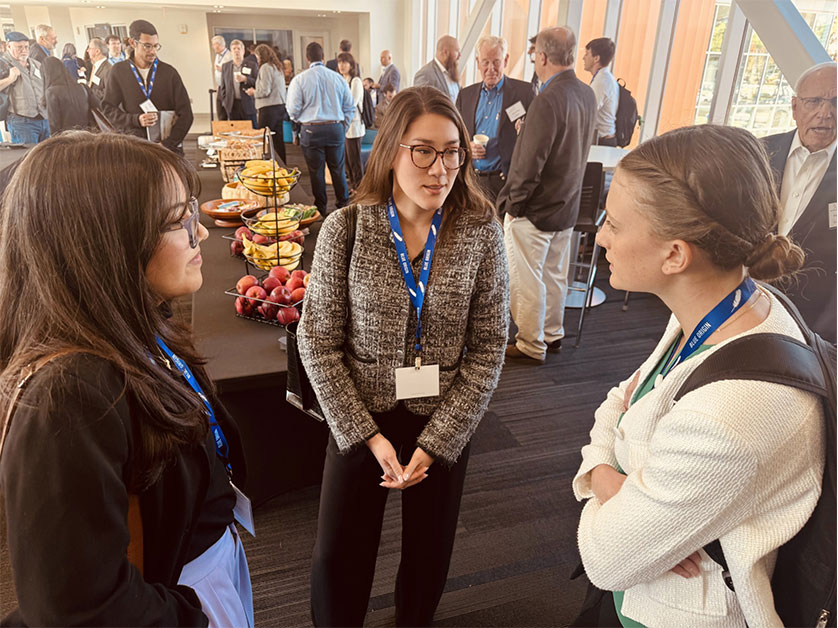
Beyond the sessions themselves, I got the opportunity to network with dozens of professionals across various areas of the aerospace industry. Through these conversations, I made valuable connections with professionals who are willing to offer advice and guidance as I continue pursuing a career in aerospace engineering. I feel incredibly blessed to have had this opportunity to learn, build connections, and develop a friendship with fellow space kid Eva Estrada.

A special thank you to Michelle and the entire Higher Orbits team. Thank you as well to the many sponsors who make Higher Orbits’ work possible. Your support is making a lasting difference in the lives of future aerospace professionals.

Written by Victoria DeWitt